
How IPS Works
A Structured Approach to Claims Administration and Compliance
Integrated Payor Solutions manages claims from intake through adjudication, payment logic, and reporting within a single system. As a claims administration platform, IPS connects each stage of the process while supporting the No Surprises Act (NSA) and Transparency in Coverage (TiC) reporting.
This approach connects claims administration workflows and compliance requirements without relying on separate tools or manual processes. The result is a more controlled, consistent way to manage claims and compliance at scale.
What IPS Does at a System Level
IPS functions as a unified system for claims processing and reporting.

Manages the full lifecycle from intake through adjudication

Designed for complex payer and network environments

Connects claims processing and compliance workflows in a single system

Implementation first model with workflows configured, validated, and tested before ongoing operations begin
Implementation First: How IPS Gets You Live.
Implementation is structured to ensure the system is fully operational before standard billing begins.
Guided, Collaborative Implementation Process
We work with you every step of the way.
Dedicated IPS Team
Experts handle configuration, testing, and validation.
Fully Implemented & Validated
The system is proven and ready before launch.
Accuracy, Readiness, & Stability
Built for reliable operations from day one.
IPS takes a services-led approach to onboarding, where the workflows are configured, tested, and validated to reflect how the platform will operate in production.
Data Ingestion


Claims enter the system through secure integrations, file feeds, or manual entry when needed. Data is normalized and prepared for processing within a consistent structure.
- Supports standard and custom data feeds
- Normalizes claim formats for processing
- Establishes a consistent starting point for adjudication
Adjudication

Configured logic determines how claims are evaluated and processed.
- Automated adjudication based on eligibility, plan design, and contract terms
- Consistent application of pricing, edits, and validation across high claim volumes
- Clear audit visibility into how each claim is evaluated and processed
Exception handling is built into the workflow, allowing teams to review and resolve non-standard claims without interrupting throughput.
Validation

Automation and human oversight work together to maintain consistency and accuracy across workflows.
- Controlled workflows enforce consistent processing logic
- Reduced manual intervention across routine claims
- Internal teams manage exceptions and non-standard claims
- Validation checkpoints ensure accuracy before outputs
Outputs

Processed claims generate structured outputs that support both operations and regulatory requirements.
- Explanation of Benefits and payment outputs
- Operational reporting and analytics
- Data feeds from downstream systems
- Machine-readable files for NSA and TiC requirements
This ensures that reporting is driven directly by claims data as part of normal operations.
Integration with Your Existing Systems
IPS integrates directly with your existing systems through APIs and structured data feeds.
- Claims
- Eligibility
- Plan Configuration


- Payment Outputs
- Reporting
- Compliance Files
Compatible with common claims eligibility and plan administration systems.
Where Automation vs. Human Oversight Occurs
IPS uses automation for consistency and scale, with defined points for human review.

Automation
Automation handles high-volume, rules-based adjudication and pricing

Human Oversight
Internal teams manage exceptions and non-standard claims
Validation checkpoints help ensure claims are reviewed, verified, and processed accurately before outputs are generated.
How Compliance is Embedded
Once claims are processed and outputs are generated, the same data supports the required reporting workflows.

Supports NSA requirements
Enables TiC reporting
Requirements are addressed during implementation, not retroactively
Ongoing monitoring is included as part of IPS services
Compliance operates as part of the system’s normal workflow rather than a separate process.
Secure Infrastructure and Data Control
IPS is built on a secure, cloud-based architecture on Salesforce designed for regulated healthcare environments.

Role-based access controls

HIPAA-aware data handling aligned with SOC 2 and HITECH standards

Audit tracking and traceability across claims workflows
This foundation supports operational reliability, controlled access, auditability, and alignment with regulatory requirements.
Reliability, Monitoring, and Operational Support
IPS continues to operate as part of your core infrastructure once the system is established.

Ongoing system monitoring

Support for operational and regulatory updates

Continuous performance visibility

Adaptability as business needs evolve
The platform is designed to scale without requiring major system changes.
Frequently Asked Questions

How IPS Brings It All Together
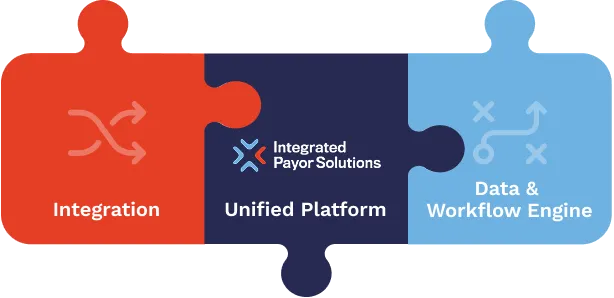
IPS brings claims processing, payment logic, and required reporting into a single system designed for real-world operations. By unifying these workflows, organizations reduce fragmentation, improve consistency, and maintain control across high claim volumes. This creates a more reliable way to scale operations while meeting industry requirements.
See How IPS Supports Your Organization
Schedule a demo or connect with our team to see how IPS brings claims automation, compliance, and reporting together to reduce manual work and support scalable growth.